Service
Photo Restoration for Damaged Original Prints
I restore physically damaged photographs digitally: tears, water damage, stains, scratches, creases, fading, missing edges, and the general deterioration of old prints. The work starts with a close look at the original image, not with an assumption that every mark can be removed.
What digital photo restoration is
Digital photo restoration is the careful repair of a photograph’s appearance using a scan or a high-quality photograph of the original print. The paper itself is not treated, bleached, or physically patched. You keep the original. I work from a copy of the image.
The aim is to reduce distracting damage while remaining faithful to what the photograph still shows. I restore damaged photographs; I do not rebuild them into a different picture.
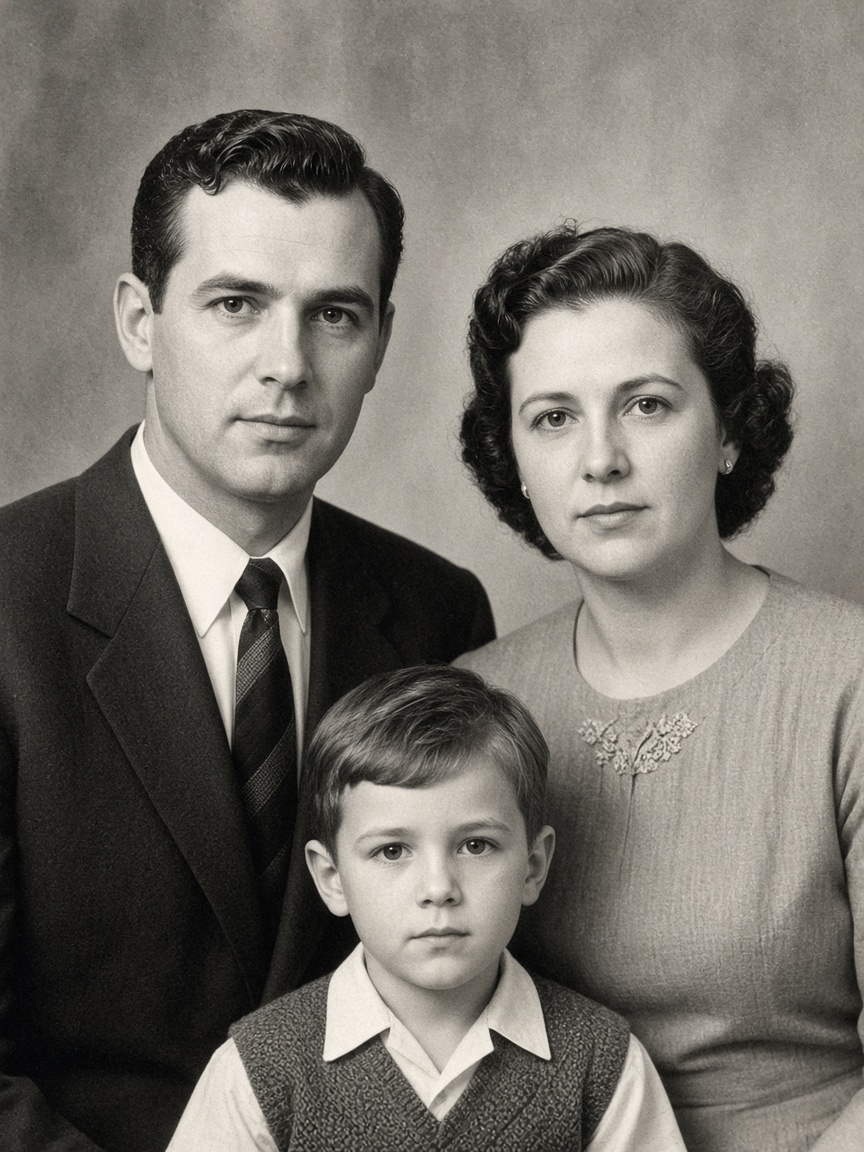
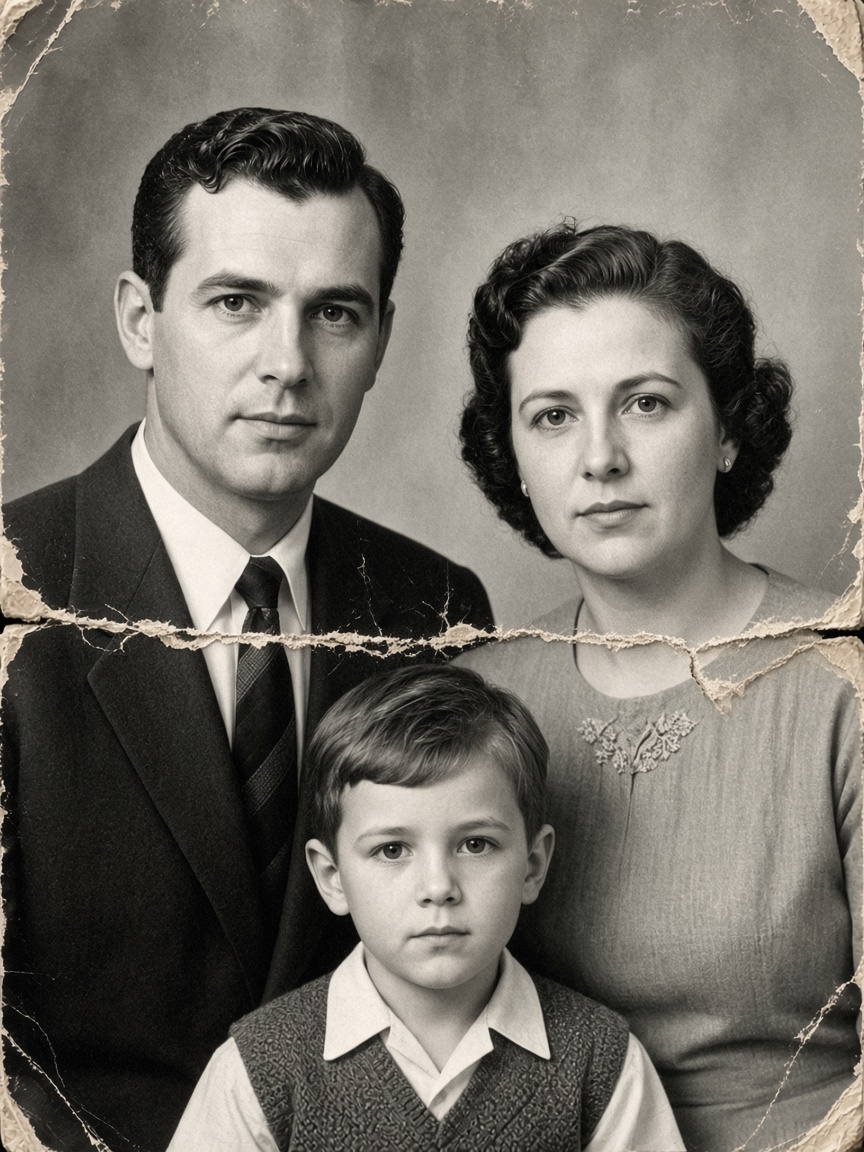 Before
After
Before
After
What types of physical damage can be addressed
I work with photographs affected by tears and rips, water damage, stains, scratches, creases and fold lines, fading, discoloration, damaged edges, surface deterioration, partially missing areas, and general aging of old photographic prints.
A family portrait torn through the middle, an old wedding photograph covered in scratches, a childhood photograph with severe fading, or a print with missing corners all fall within this work. Many photographs arrive with several of these problems at once.
How the original photograph is evaluated
Before beginning restoration, I look at the source image closely. I note the kinds of damage present, how they sit on important areas such as faces, and how much original photographic detail remains around those areas.
I also look at the quality of the scan or photograph you send. A sharp, well-lit, high-resolution file shows more of what the print still holds. A dark, blurry, or heavily compressed image hides information that restoration needs.
The assessment is the honest part of the process. It is where I say what I can address, what may only improve partly, and what cannot be recovered because the original information is gone.
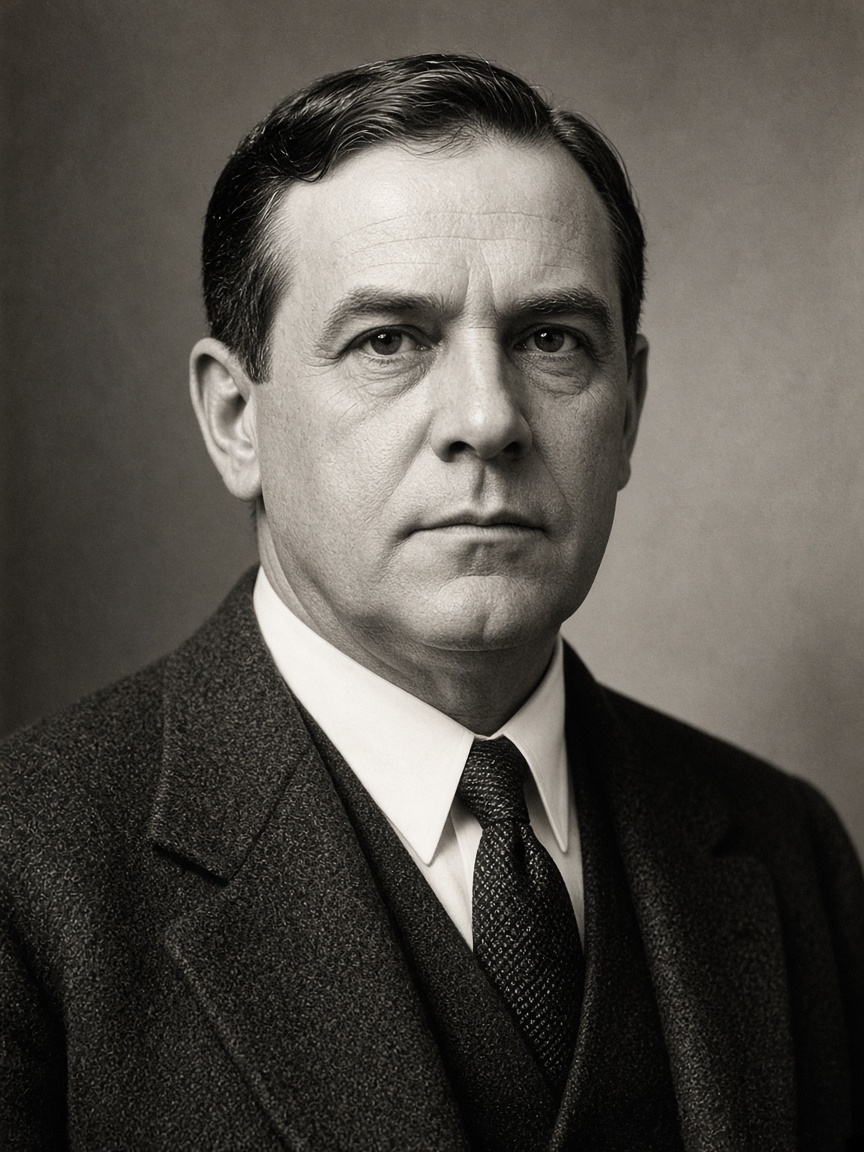
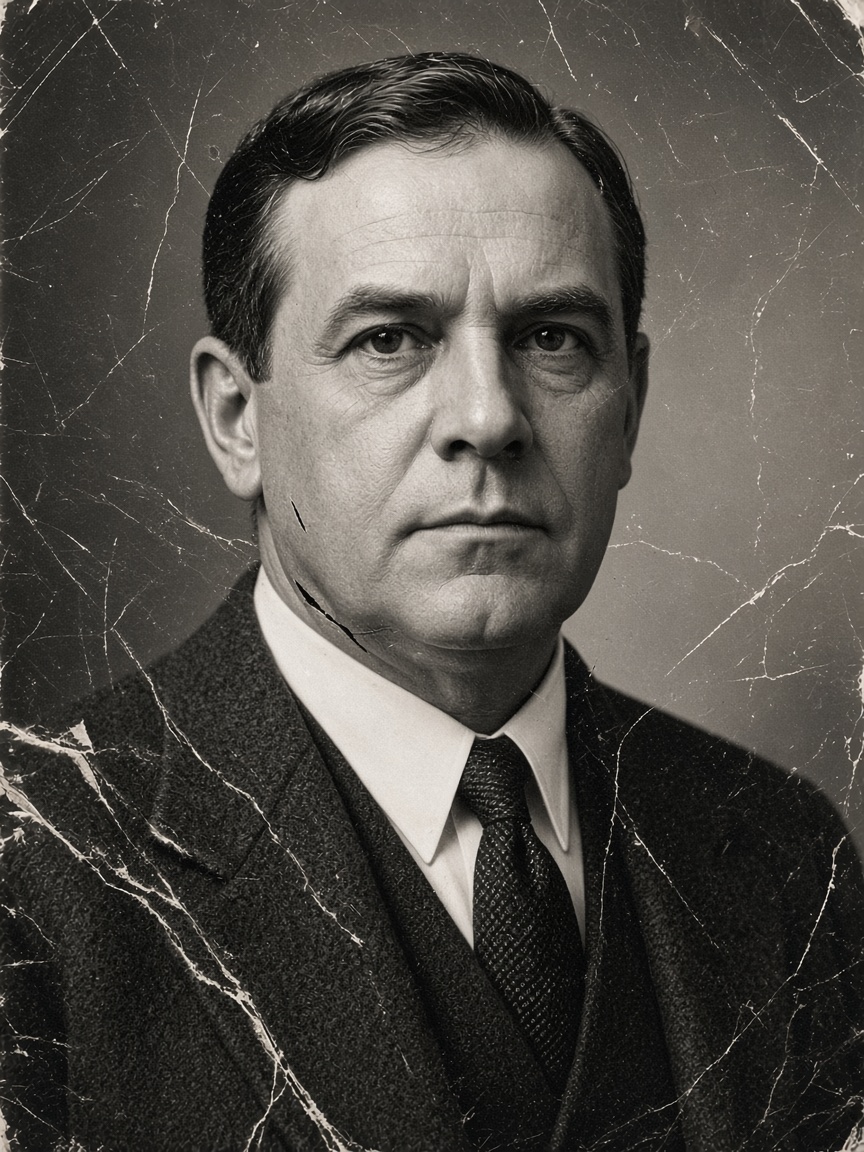 Before
After
Before
After
The difference between repair and reconstruction
Repair uses visual information that is still in the photograph. A scratch across a coat, a stain on a background, or a crease through a sky can often be repaired because the surrounding image shows what belongs there.
Reconstruction is different. It is needed when part of the photograph is missing: a torn-off corner, a hole, a loss along a torn edge. Reconstruction is only as reliable as the evidence around the loss. A missing patch of wallpaper may be continued from the pattern beside it. A missing face cannot be invented with any claim of accuracy.
I will not describe reconstructed areas as if they were recovered from the original. If a section has to be built from neighboring context, that is what it is.
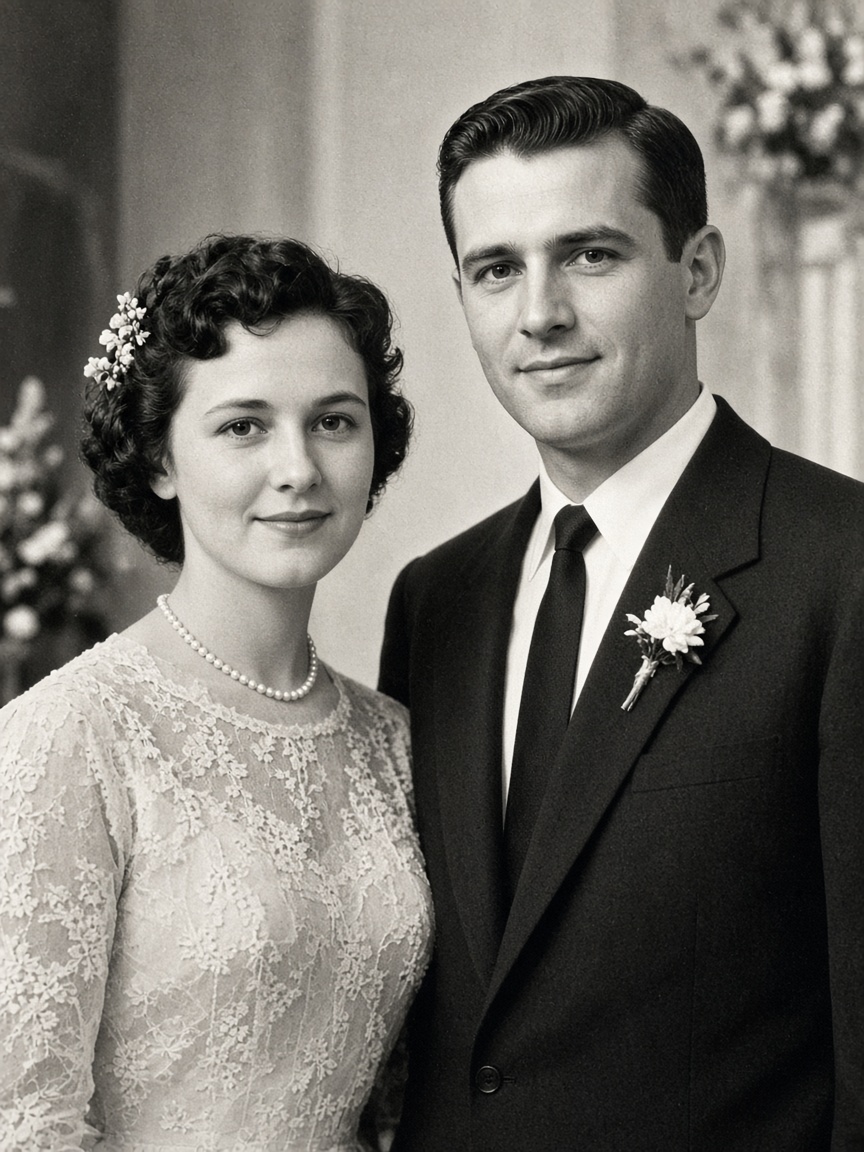
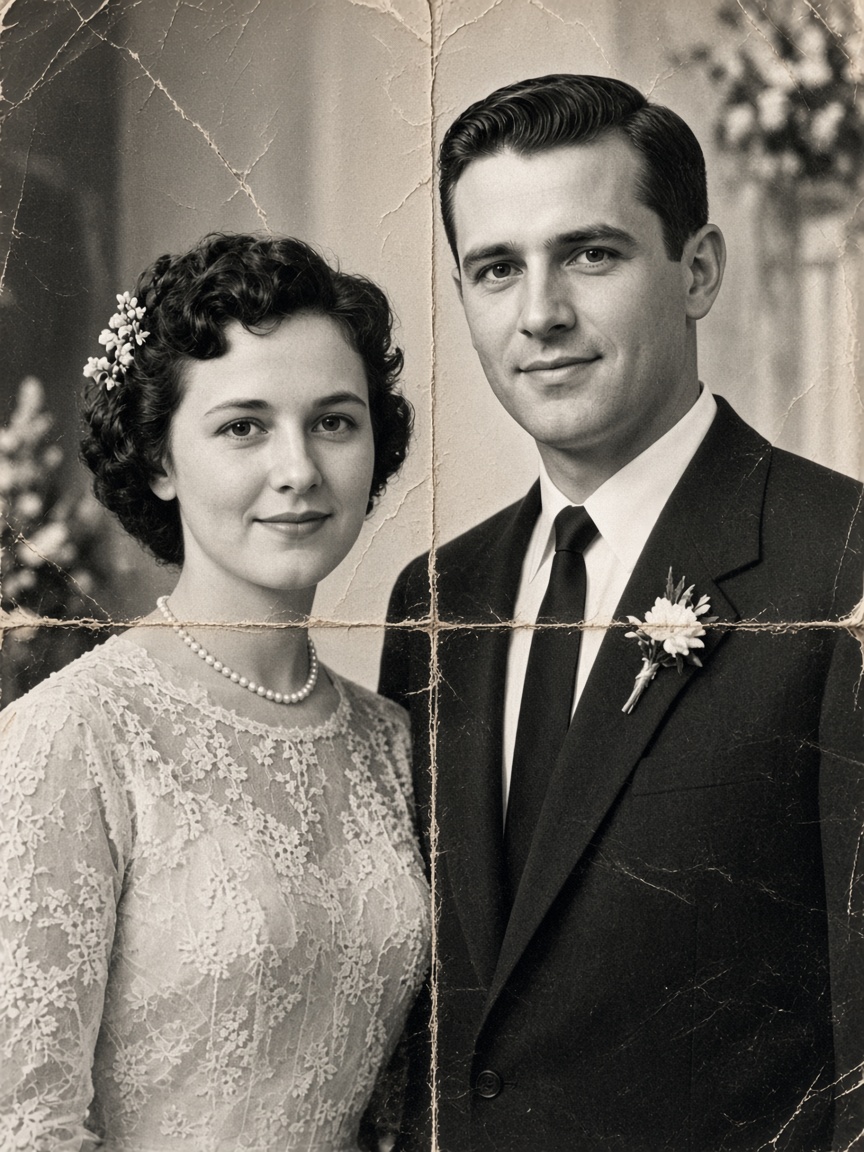 Before
After
Before
After
Why source image quality matters
Restoration can only work with what the file contains. Fine scratches, faint fold lines, and subtle remaining tone in a faded print are easier to see in a good scan. If those details are blurred or crushed by compression, they are harder to treat well.
If you cannot scan the photograph, a careful camera photograph can still be useful. Place the print on a flat surface, light it evenly, avoid glare, and fill the frame. Do not use heavy filters or automatic “enhance” settings in the camera app.
Scanning recommendations
- Scan the photograph flat, without pressing hard on a damaged or lifting emulsion.
- Use a resolution high enough to show fine detail. For most prints, 600 dpi is a practical starting point; 800–1200 dpi can help with small prints or fine damage.
- Save a full-quality JPEG or, when possible, a TIFF. Avoid extra compression.
- Do not crop tightly against important edges if the paper is torn. Include the damaged margin.
- Do not retouch the scan before sending it. I need to see the damage as it is.
- If the print is bound in an album and cannot be removed safely, photograph it as squarely as you can rather than forcing it.
These are recommendations, not requirements. If a scan is imperfect, I can still often tell whether restoration is worthwhile.
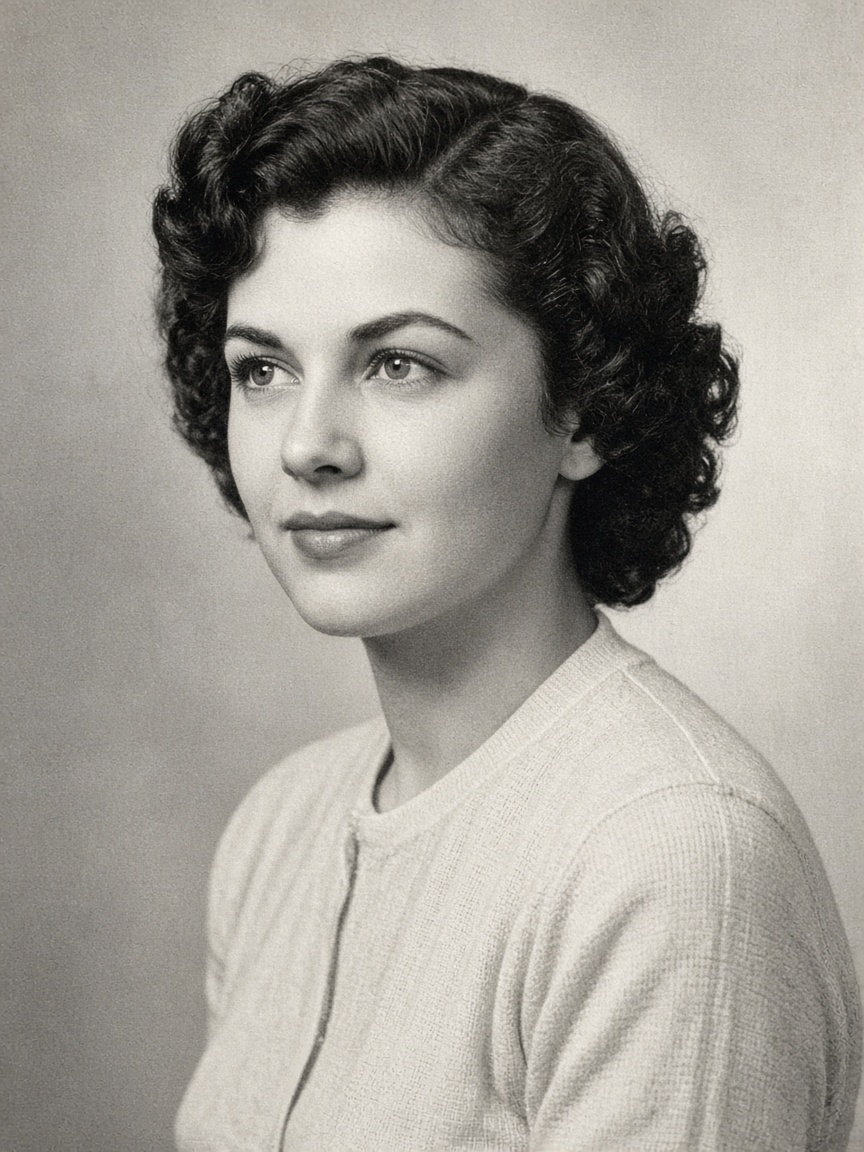
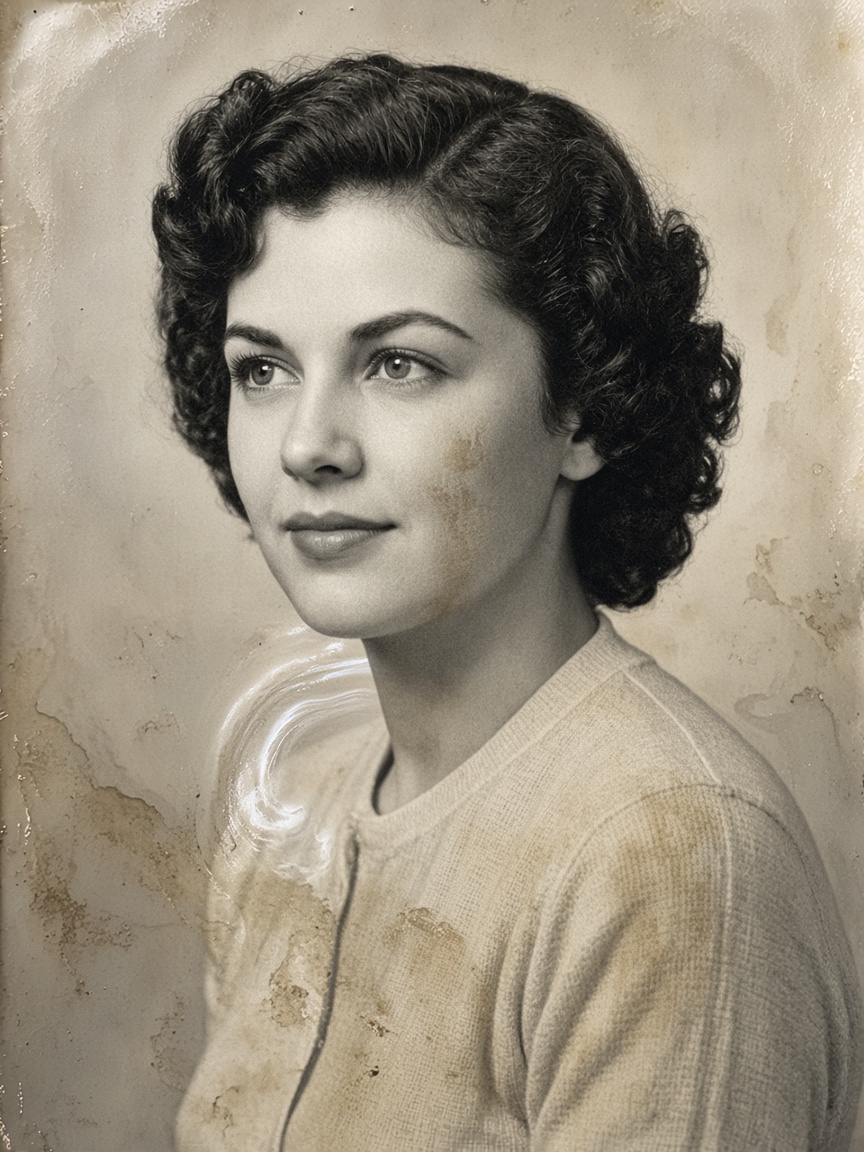 Before
After
Before
After
What customers receive
You receive a high-quality digital file of the restored photograph, suitable for personal archiving and, when appropriate, printing. The original print is not altered, because it never leaves your possession unless you choose to mail it — and mailing the original is not required.
File format, print size, and delivery method can be confirmed at the time of assessment. I do not assume a single standard for every project.
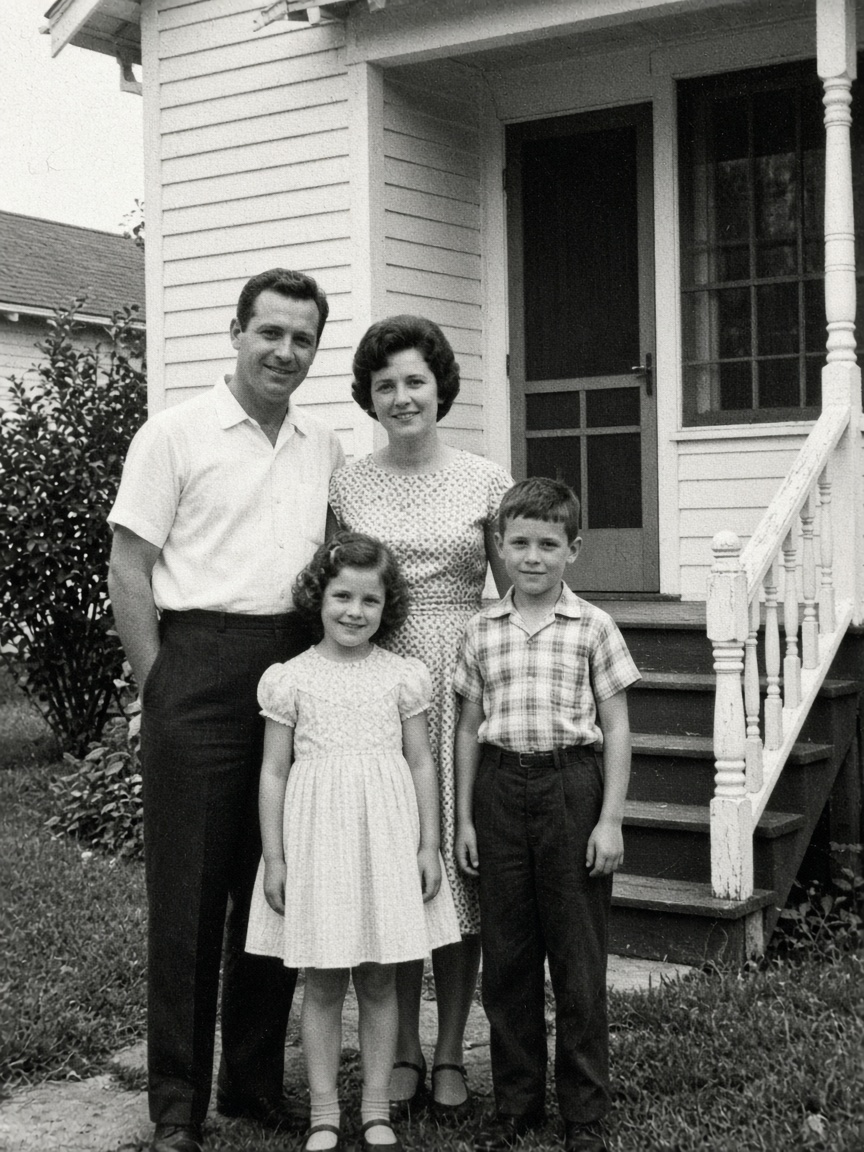
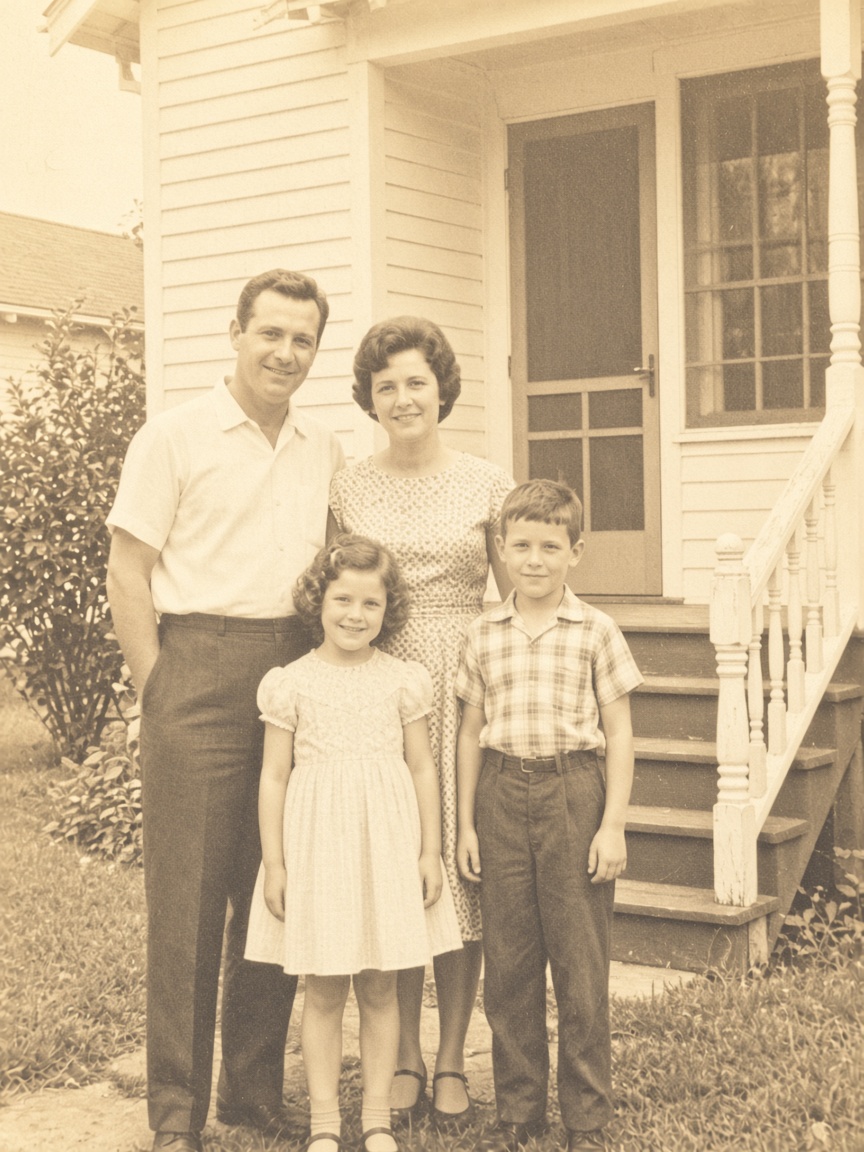 Before
After
Before
After
Limitations of restoration
Some photographs cannot be restored to a complete, continuous image. If a large area is missing, if the emulsion has lifted away, or if fading has removed nearly all remaining tone, there may be little to work from.
Even successful restoration has a range. A heavily stained print may be improved without becoming perfectly even. A torn photograph may be made whole while still showing that it is an old print. I would rather leave a modest, truthful result than overwork the image.
Assessment exists for this reason. If the photograph is not a good candidate, I will say so.
Have a Damaged Photograph?
Send a copy for assessment. I will look at the damage and explain what restoration can reasonably do.